
INDUSTRY NEWS · emergency LED lighting trends
Why Emergency and Backup Lighting Demand Varies by Market
Backup-lighting demand depends on the local power context and the customer's use, but no single market rule predicts the right product. Buyers should compare switch behaviour, emergency brightness, runtime, battery information and instructions for the selected model. Test an outage in the intended fitting before describing the bulb as suitable.Local preview · November 12, 2026 · Shieldaily Editorial Team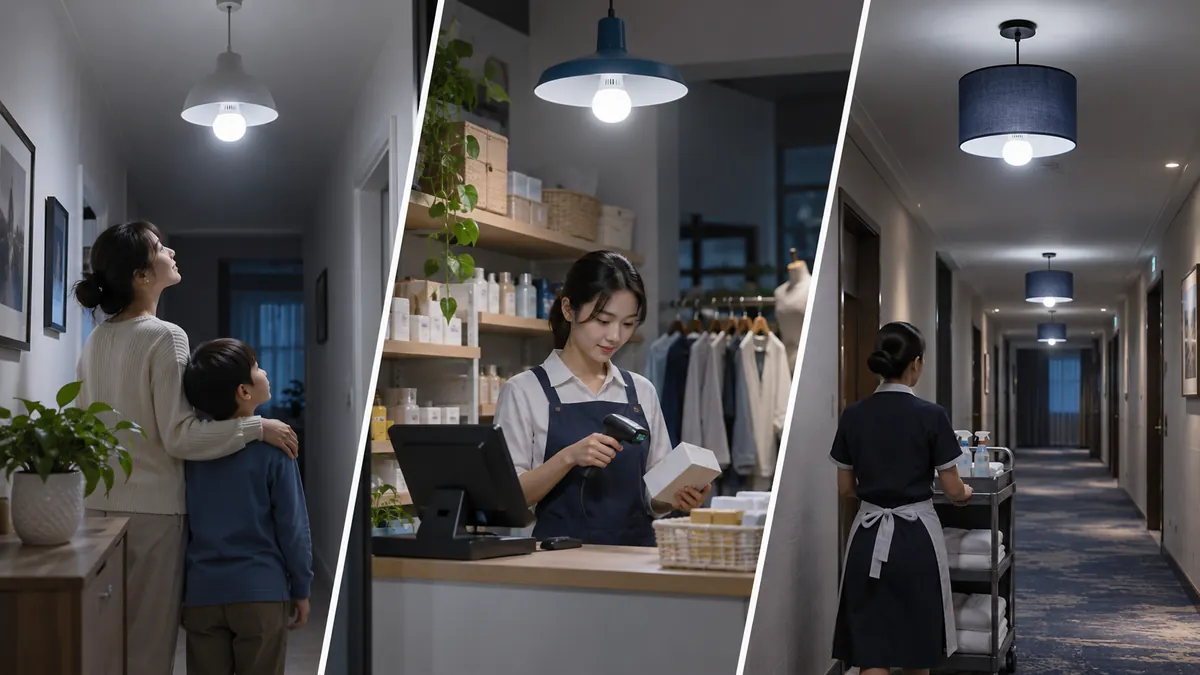
A rechargeable bulb may be useful in a household, small shop or hospitality setting, but the requirements are not identical. Some buyers value a familiar screw-base replacement; others need a defined emergency light level, installation method or maintenance plan.
Treat regional demand as a brief to investigate, not as a claim about sales volume. Build the product range from applications and sample tests, then confirm any regulatory obligations for the destination. Range planning should begin with the local outage scenario and the light customers actually need during it.
Power Conditions Shape Demand
Ask how often backup operation is expected and what task the light should support during an interruption. The answer affects useful brightness, battery capacity and instructions. Do not infer demand or a specific runtime from a country name. Work with local channel feedback and the intended use rather than broad market labels.
Related buyer guide: How emergency bulbs work
Residential and Small-Retail Applications
A household or small shop may want a bulb that fits a common socket and gives some light during an outage. The switch arrangement and charging path must be explained clearly. Compare the customer's normal-light expectations with the emergency mode; the bulb should be tested in the actual fitting.
Hospitality and Commercial Applications
Hotels and commercial sites may have formal emergency-lighting plans or specific installation rules. A rechargeable consumer bulb is not automatically a compliant substitute for a dedicated emergency luminaire. Ask the project team for the required light level, duration, maintenance and evidence before recommending a model.
Battery Capacity and Emergency Brightness
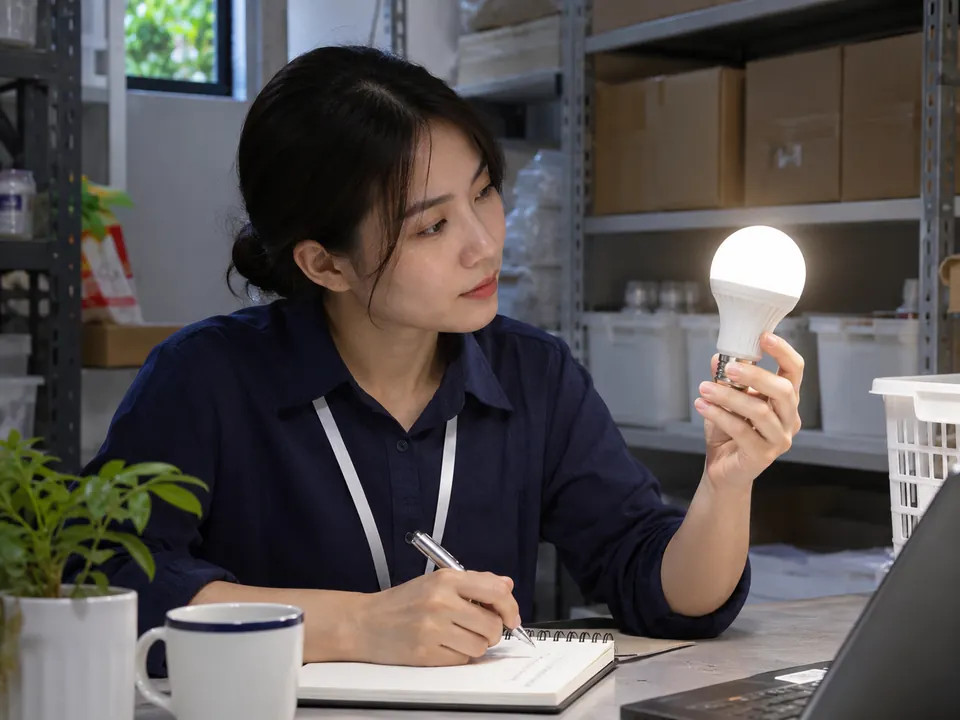
A capacity figure does not describe the light a user receives. Ask for emergency-mode lumens and the test condition associated with runtime. A brighter backup mode may use energy faster. Compare two products at an agreed useful light level and test a sample through a complete charge-and-outage cycle.
Compare product options: Emergency product range
Product Cost and Runtime
Price comparisons should include the battery, electronics, pack and stated operating mode. A low-cost product with unclear switch behaviour or instruction burden may not fit the channel. Do not assume a longer quoted runtime is a better offer when brightness and test method differ.
Storage and Maintenance
Distributors holding inventory need the selected model's storage and recharge instructions. Battery behaviour can change with time and conditions, so do not invent a universal maintenance interval. Check what the product manual says and how the retailer will communicate that information to buyers.
Product-Range Planning
Choose a small set of clearly differentiated uses: consumer backup, brighter task lighting or a project-specific enquiry, if supported by real models. Keep each variant's battery, runtime, base and pack distinct. Do not fill a catalogue with near-identical claims that a sales team cannot verify.
Plan the market or application: Backup solution
Why Outage Testing Matters
A sample test exposes the interaction among socket, wall switch, charging and backup mode. Record the normal light, changeover, emergency brightness, useful duration and return to mains power. Use the result to approve instructions and compare the offered model with the buyer's actual need.
FAQ
Frequently asked questions
Can one emergency bulb model serve every market?
No. Socket, voltage, language, operating expectations and applicable requirements differ. Confirm the destination and selected model.Is the longest runtime always best?
No. Compare duration at a useful emergency brightness and with the same test condition.Can a consumer backup bulb be used in a regulated project?
Only after the project specification and applicable rules confirm the exact product is suitable.Why review storage instructions before importing?
Inventory may be held before sale. The selected battery product's care instructions affect the channel's handover and customer use.RELATED RESOURCES
Continue your product review
LED Bulb Sample Approval Checklist Before Bulk Production
A complete sample sign-off guide covering identity, light, controls, dimensions, packaging, written specifications and change control.Read articleWhy Functional Sample Testing Matters as LED Products Become More Complex
A test framework for electrical fit, light, dimming, remote and app controls, emergency operation, packaging and approval of complex LED products.Read articleHow to Choose LED Bulbs for Wholesale Orders
A wholesale LED bulb buying guide covering market fit, light output, controls, complete-pack pricing, sample testing and written order approval.Read articleHAVE A PRODUCT IN MIND?
Discuss the Requirement for Your Market
Tell us the destination market, product type and question raised by this topic. We can review a relevant model and the information needed for your buying decision.